
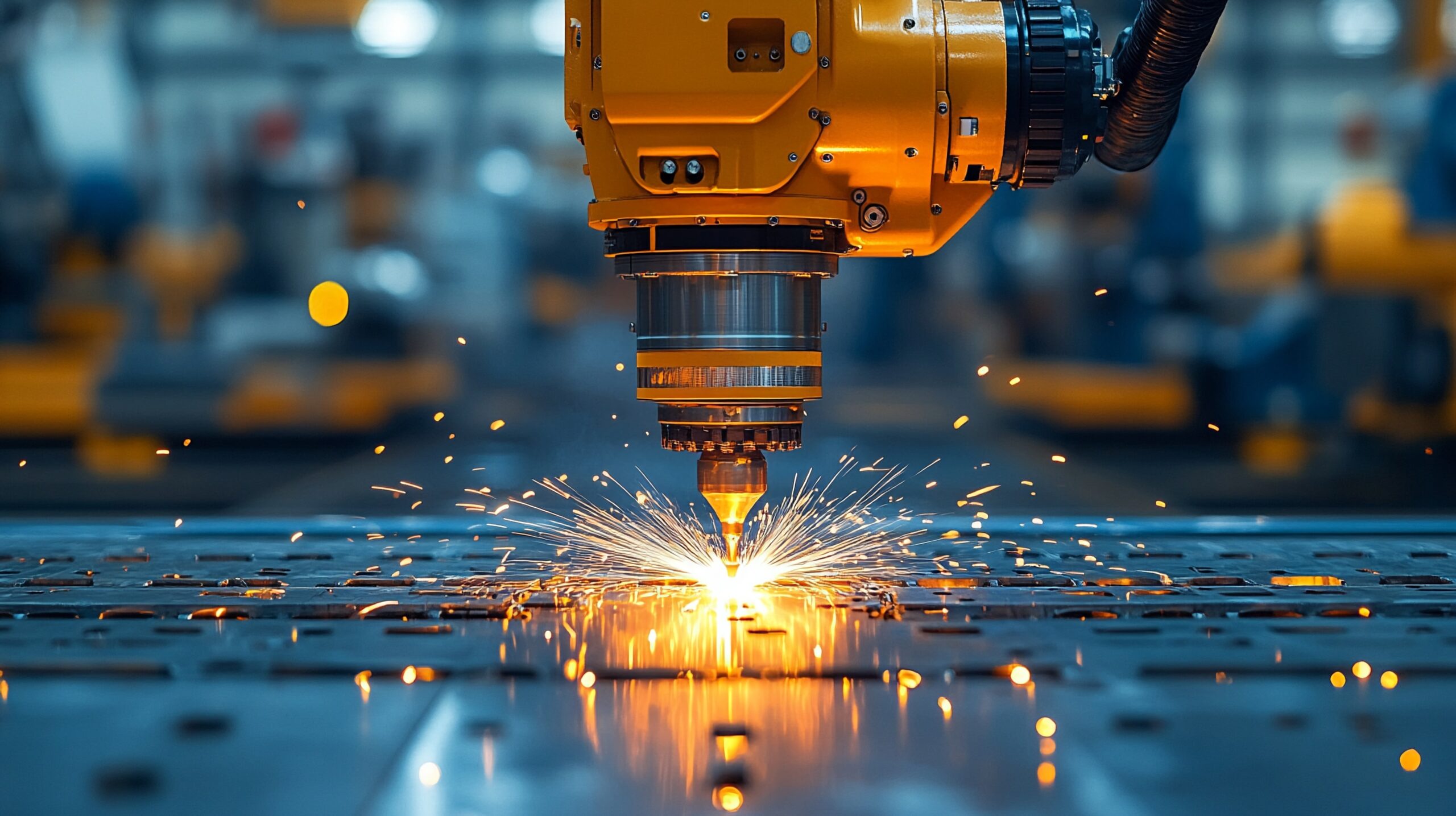
The Technical Precision of Laser Welding: Revolutionizing Metal Fabrication
Laser welding stands at the forefront of modern fabrication, enabling industries to meet demanding requirements for precision, durability, and efficiency. Leveraging the power of a concentrated laser beam, this technology has revolutionized how materials are joined, offering unmatched accuracy with minimal thermal effects.
How Laser Welding Works
At its core, laser welding uses a focused, high-energy beam of light to generate extreme heat at the material’s surface. This energy melts and fuses the base materials together, forming a joint with remarkable strength and reliability. Depending on the application, two primary methods are employed:
- Conduction Welding: The laser heats the surface, and heat conduction melts the material, creating shallow welds. This method is ideal for thin components or applications requiring smooth weld surfaces.
- Keyhole Welding: The laser penetrates deeper into the material, forming a keyhole surrounded by molten material. This technique creates deep, narrow welds suitable for structural applications.
Technical Advantages
High Aspect Ratio Welds: Laser welding achieves deep penetration with narrow weld widths, crucial for aerospace and medical components.
Precision Control: Ideal for intricate geometries, small weld zones, and areas where access is limited.
Rapid Cooling Rates: Produces fine-grain microstructures, enhancing weld strength and corrosion resistance.
Automation Compatibility: Robotic integration ensures consistent weld quality for mass production.
Applications Across Industries
Aerospace: Joins lightweight metals such as titanium and aluminum for fuselages and engine components.
Medical Devices: Creates precise joints for implants, surgical tools, and delicate assemblies.
Automotive: Essential for battery housing, airbag components, and lightweight structural parts in EVs.
Consumer Electronics: Welds miniature, intricate parts for improved durability and performance.
By minimizing heat input and improving efficiency, laser welding is reshaping how industries approach manufacturing challenges.